
Alcoholic beverages have “empty” calories, meaning they are high in calories and low in nutrients. Excessive drinking could cause an individual to develop more of an "apple" body shape, where a higher level of body fat is distributed in the abdominal region. According to a study published Substance abuse last year in JAMA Psychiatry, more Americans are drinking alcohol than before, and they are drinking greater amounts than before (see abstract). This means they miss out on important nutrients and can be at risk of malnutrition.
Factors that may Explain the Conflicting Findings between Alcohol Intake and body Weight
People may opt for high-fat, high-salt, or sugary foods when drinking, and may consume larger portions. This combination of increased hunger and reduced self-control can lead to significant additional calorie intake. Beyond adding energy to a meal, alcohol may actually stimulate food intake 5. Of the 17 studies reviewed by Yeomans, ten showed increased food intake following alcohol consumption 5. It is unclear whether alcohol promotes food intake in the absence of hunger; however, it has been noted that alcohol may amplify individuals’ perception of appetite in response to food stimuli 5. Alcohol can have different effects on your body that contribute to weight gain.
Best alcoholic drinks for weight loss
It contains virtually no cholesterol because it is made from plant-based ingredients like water, malted barley, hops, and yeast, none of which contain cholesterol. It’s probably not realistic or healthy to try to lose weight in your tummy in 7 days. While there are healthy ways to lose weight, it will likely take longer than 7 days.
Alcohol Percentage in Peppermint Schnapps
Progress takes time, but even moderate reductions in alcohol intake can lead to visible and measurable improvements. Alcohol fat gain is not direct, but it can influencehow your body stores and burns energy. When you drink, fat burning slows down because your body prioritizes metabolizing alcohol first. Over time, consistent overconsumption can lead to fat storage, especially around the abdomen — commonly called “belly fat.” Lifestyle factors like poor diet and inactivity often amplify the effect. In summarizing the recent literature it appears that light-to-moderate alcohol intake is less likely to be a risk factor for obesity than heavy drinking. Heavy drinking and binge drinking have been more consistently linked with adiposity.

The weight difference causes alcohol to float on top of water when mixed, as it is less dense. This property is why oil and alcohol separate from water in solutions, with the lighter substance rising to the surface. Water has a density of about 1 gram per milliliter (g/mL), while alcohol (ethanol) has a density of approximately 0.789 g/mL.
- Studies suggest that intermittent fasting may be one of the most effective ways to lose weight and belly fat.
- However, in recent years, a significant shift has occurred, reflecting broader trends in sports entertainment and fan experience.
Awareness of these effects, coupled with practical strategies like moderation and nutrient-focused eating, can help maintain balance and support long-term health. When alcohol is present in the system, the body temporarily halts its use of carbohydrates and fats for energy, shifting focus entirely to alcohol metabolism. Consider a scenario where a person consumes 300 calories from alcohol (equivalent to about two drinks) alongside a 500-calorie meal. The alcohol calories are burned first, leaving the remaining 500 calories from food more likely to be stored as fat, as the body’s https://ecosoberhouse.com/ energy needs are already met by the alcohol.
In this case both diets were isoenergetic so this is not a surprising result, as the thermic effect of food was likely higher for white wine than grape juice 53, 54. Alcohol, often consumed for its psychoactive effects, is classified as a macronutrient, providing 7 calories per gram, second only to fat in caloric density. When consumed, the body prioritizes metabolizing alcohol over other nutrients, which can interfere with the absorption and utilization of essential nutrients. The question of whether alcohol contributes to weight gain is a common concern, as it intersects with both dietary habits and lifestyle choices. Alcohol is calorie-dense, providing about 7 calories per gram, which is nearly twice as many as carbohydrates and protein. Additionally, alcohol can impair judgment, leading to overeating or choosing less nutritious foods.
Ensure the liquid is exposed to oxygen by using a wide-mouthed container or vinegar mother starter, which introduces the necessary bacteria. Maintain a temperature between 60–80°F (15–27°C), as this range optimizes bacterial activity. From a financial perspective, the policy change has proven lucrative for SEC institutions. Schools reported significant revenue boosts from alcohol sales, with some generating millions of dollars annually.
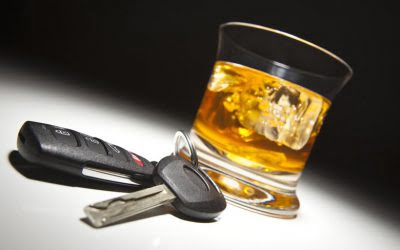
Use airtight containers made of materials like glass or HDPE plastic to minimize vapor release. For household use, opt for smaller bottles (e.g., 500 mL) to reduce exposure to air and potential ignition sources. Alcohol is not considered a nutrient because it does not provide essential vitamins, minerals, or other substances necessary for bodily functions. Drinks that have mixers, such as fruit juice or soda, contain even more calories. Drinking alcohol is a favorite pastime for humans, both socially and culturally. Examples include salmon with quinoa and vegetables, or hummus with whole-grain pita.
Sec Sports And Alcohol: When Did The Policy Change?
- Use airtight containers made of materials like glass or HDPE plastic to minimize vapor release.
- Crouse and Grundy 48 looked at the effect of adding 630 kcal/day of alcohol to the diets of 12 men in a metabolic unit.
- Ethanol, the alcohol in drinks, provides about 7 calories per gram, nearly as much as a gram of fat (9 calories per gram).
This highlights why pure ethanol demands far greater caution than its diluted counterparts. The concentration of ethanol directly influences its flammability, making pure ethanol a substance to handle with respect and awareness. Comparing the SEC’s approach to other conferences highlights both similarities and differences. The Big Ten, for example, does alcohol make you gain weight has long allowed alcohol sales but maintains stricter controls, such as limiting sales to beer and wine only. In contrast, the ACC focuses on premium areas, avoiding widespread availability. The SEC’s decision to allow broader sales reflects a balance between fan demand and safety, though ongoing evaluation is critical.

