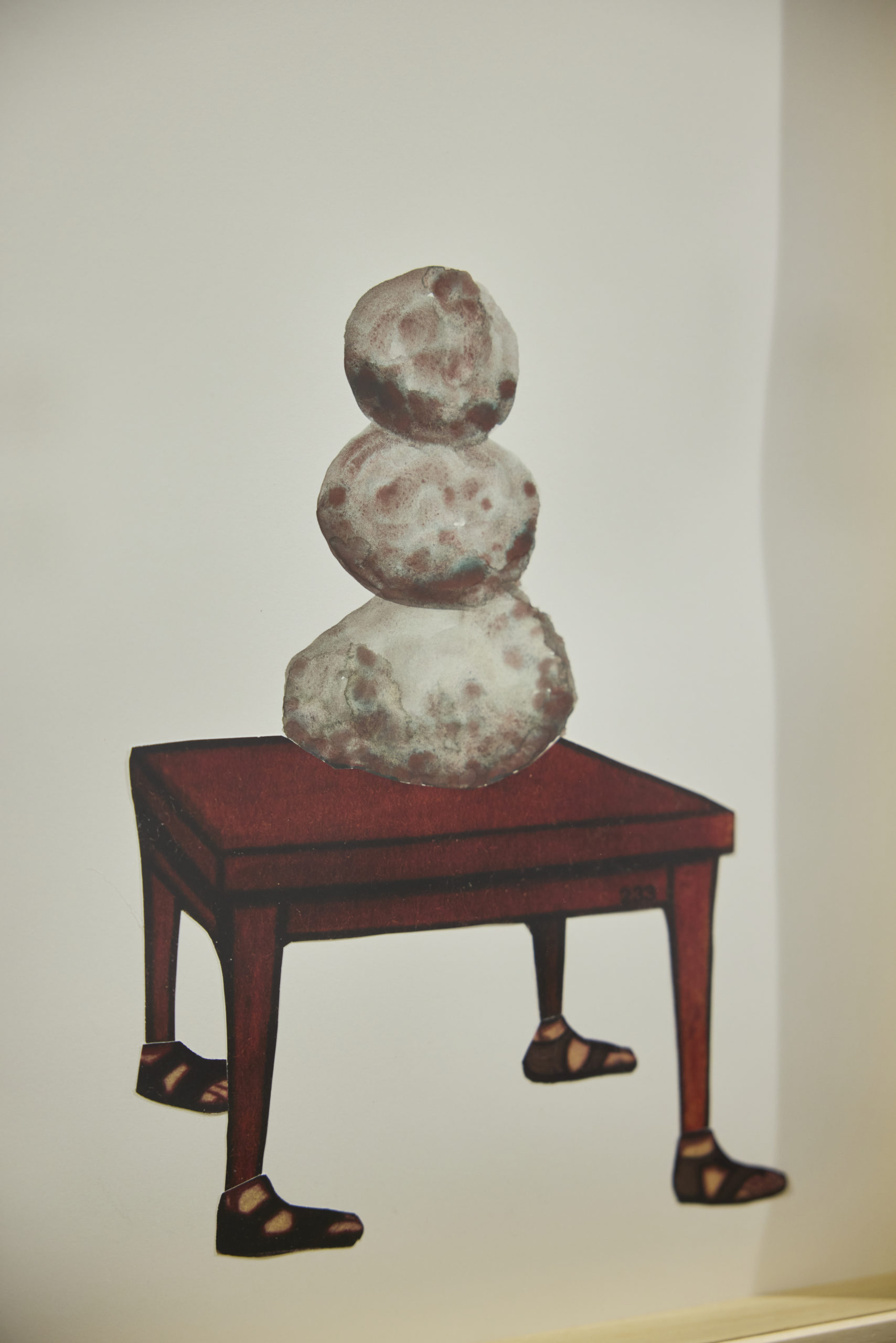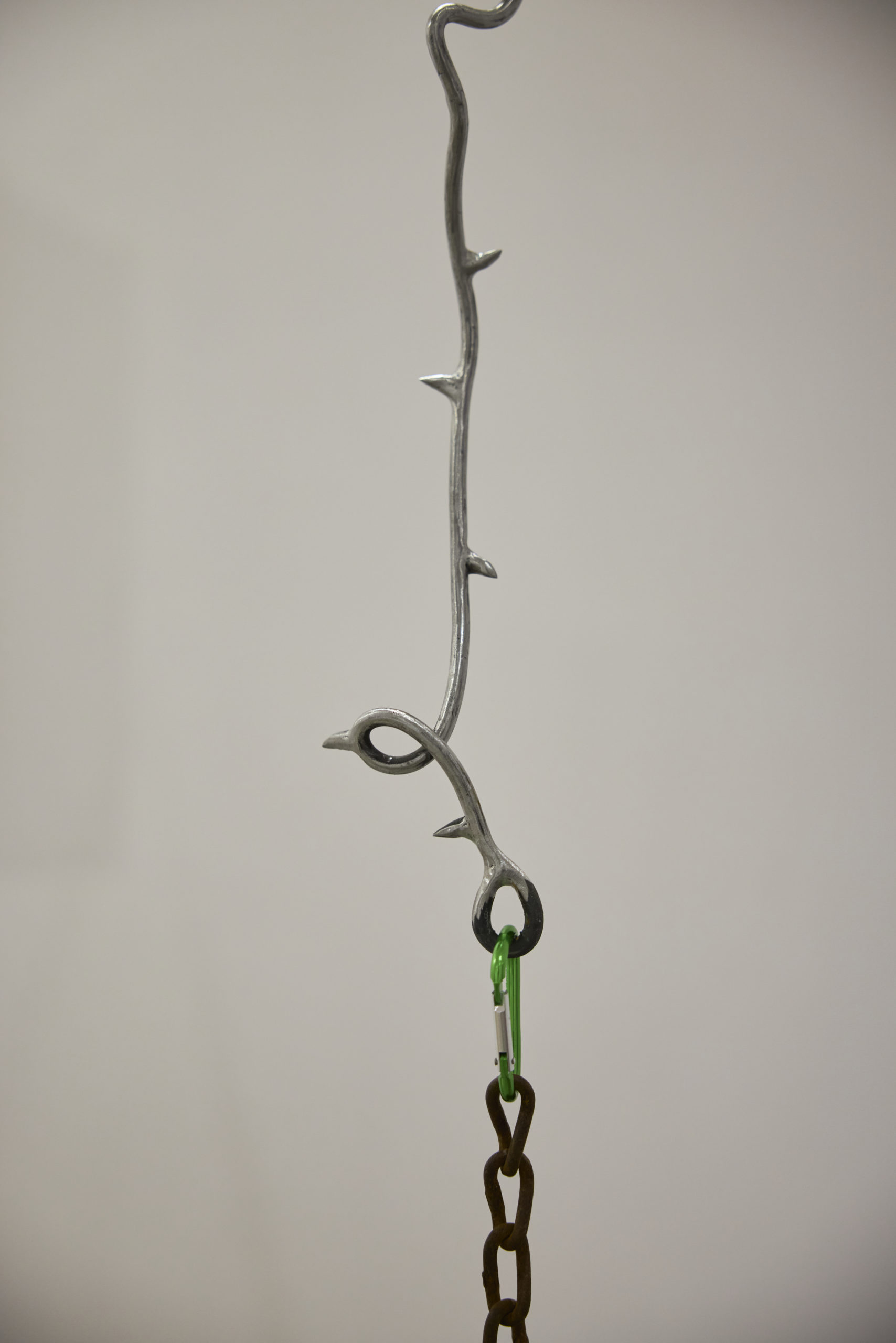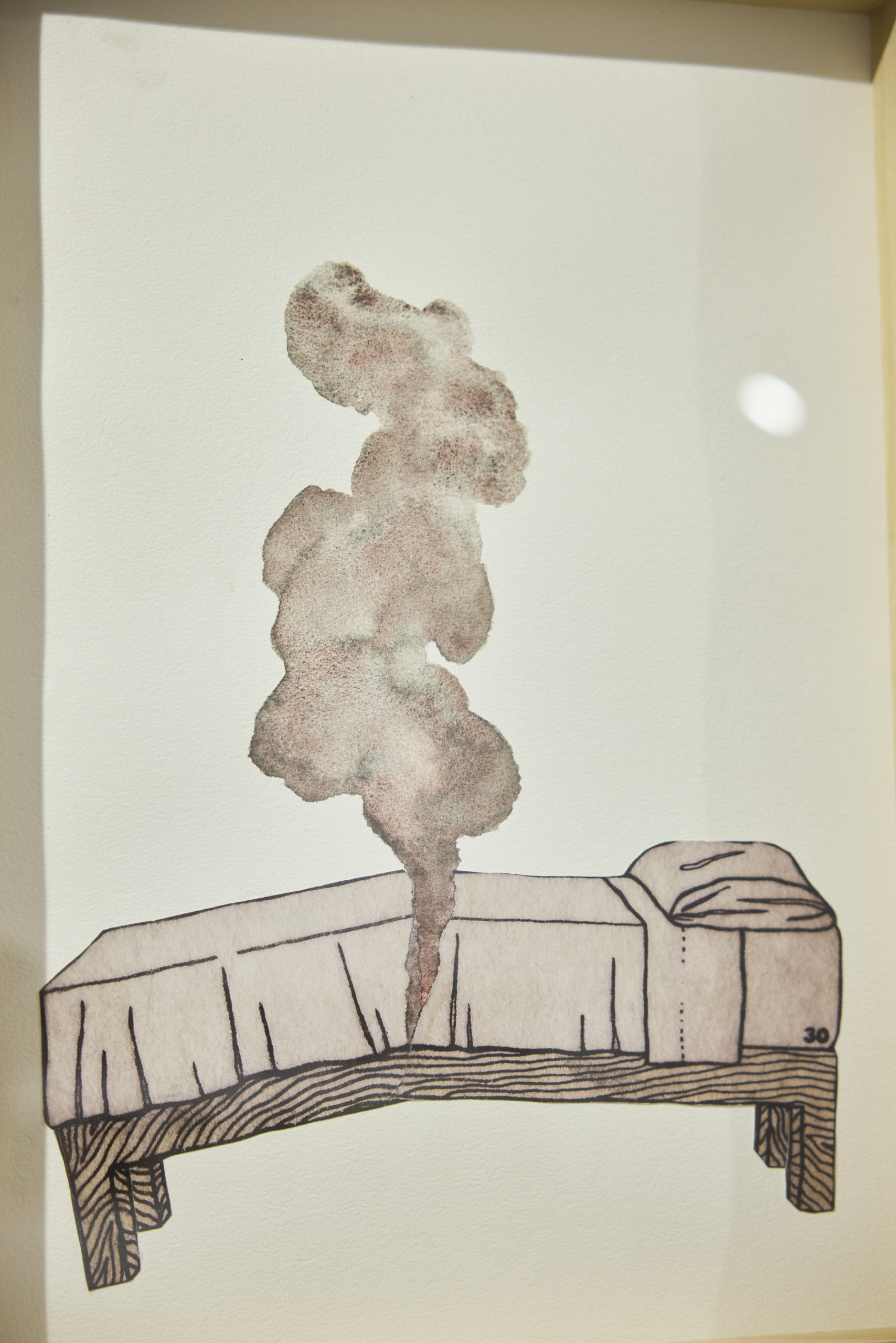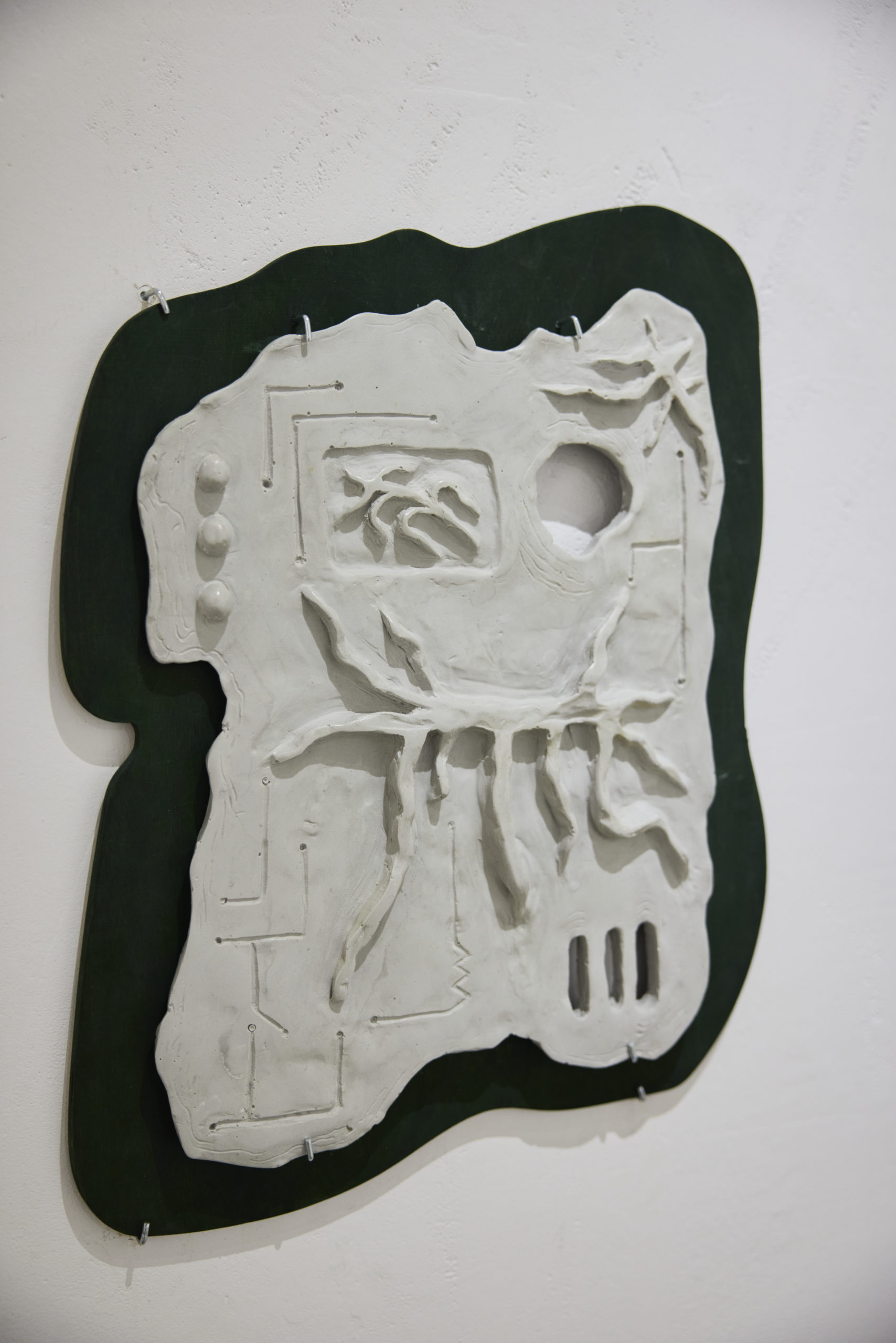
Fikret Atay (1976, Batman)
Gözde İlkin (1981, Kütahya)
İpek Duben (1941, İstanbul)
Johanna de Verdier (1995, Arboga)
Kristina Lindberg (1981, Åkerstyckebruk)
Mattias Käll (1977, Jönköping)
Murat Gök (1978, Diyarbakır)
Rio Drop (1992, Netherlands)
Şeyda Özdamar (1983, Sivas)
Tekin Karakuş (1998, Ağrı)
Volkan Aslan (1982, Ankara)
Küratör / Curator
Derya Yücel
6 March – 17 April, 2026
Sabancı University KASA Galeri, İstanbul/Türkiye
29 May – 13 June, 2026
Ateljéhuset F2 Artist Run Gallery, Örebro, Sweden
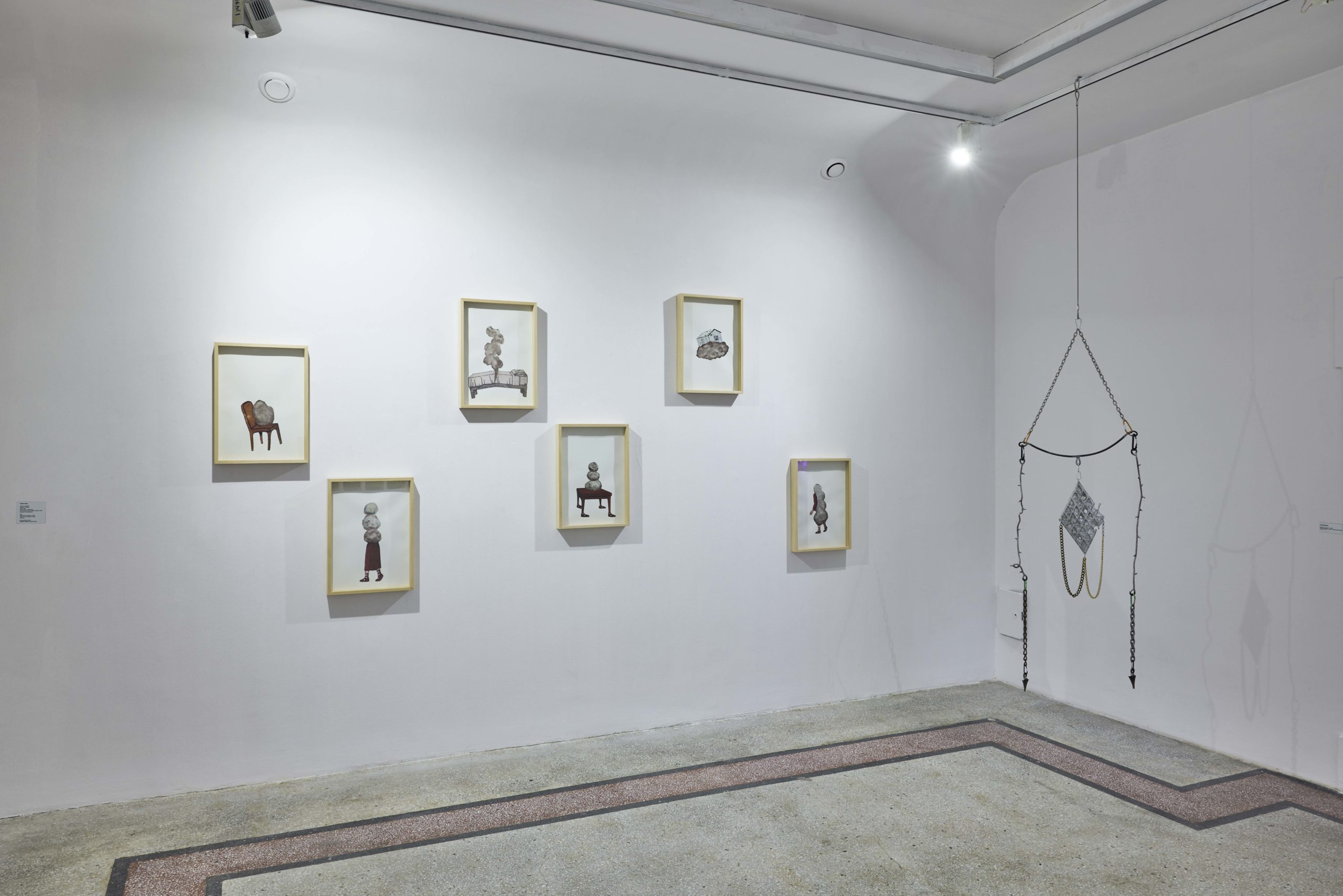
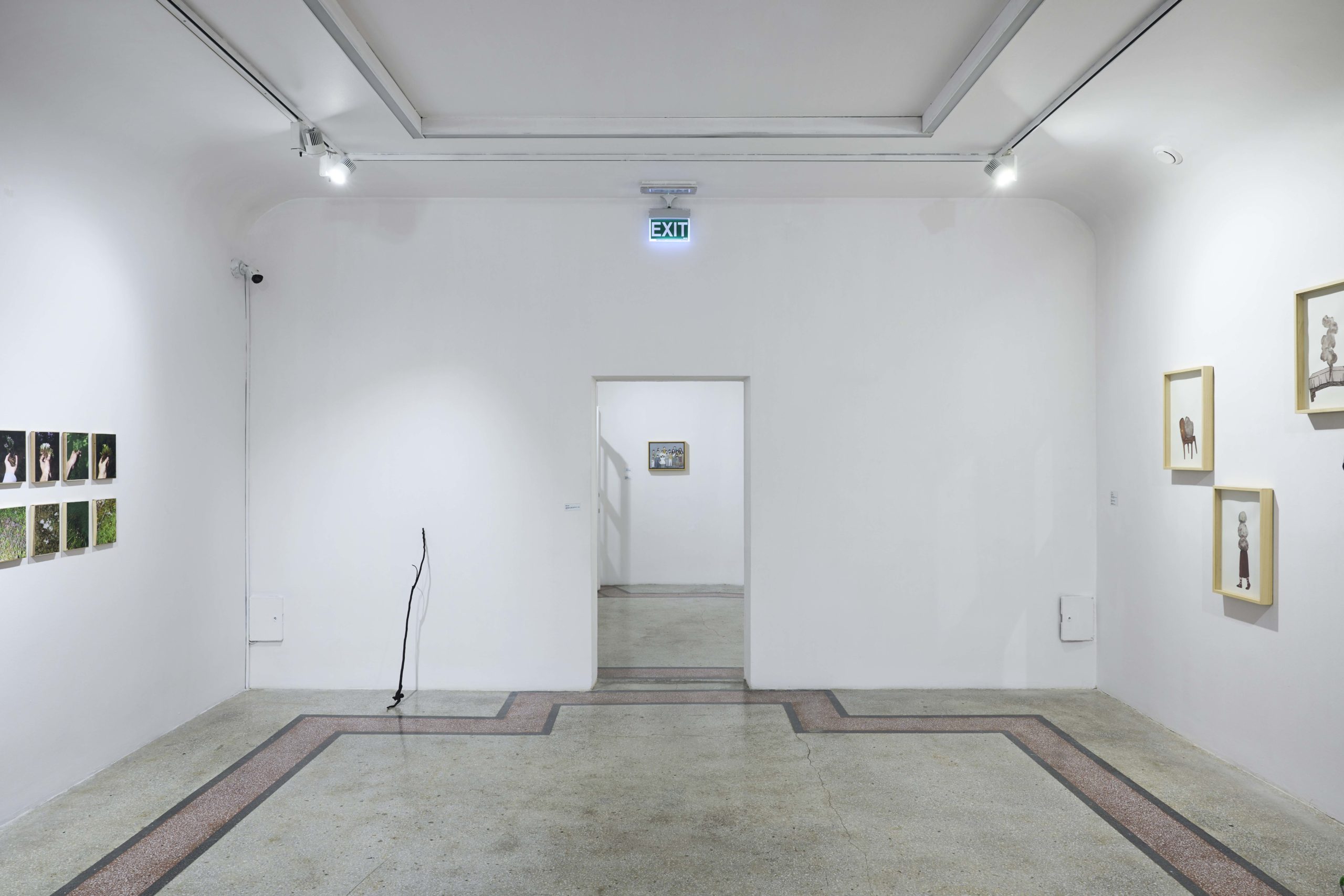
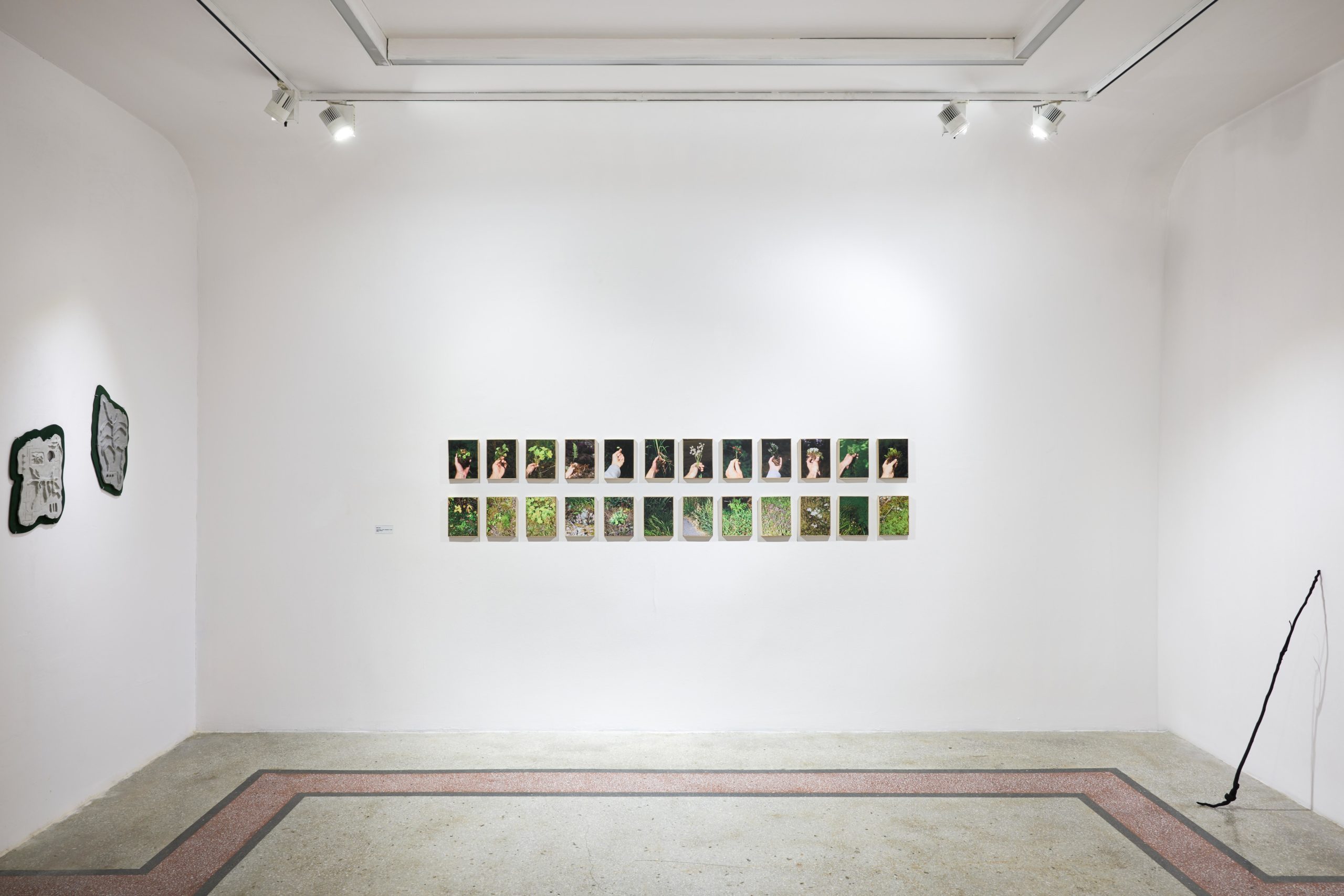
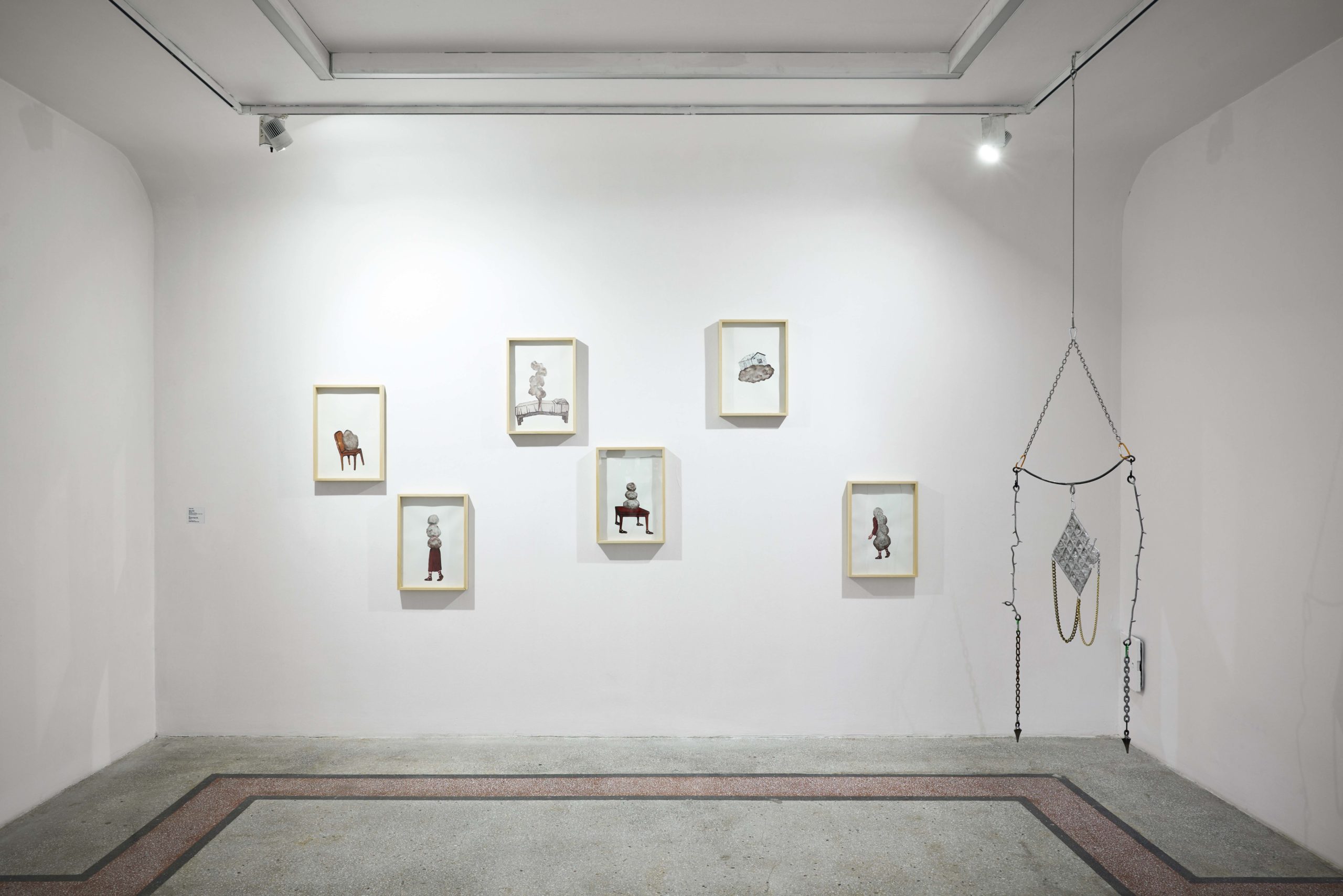
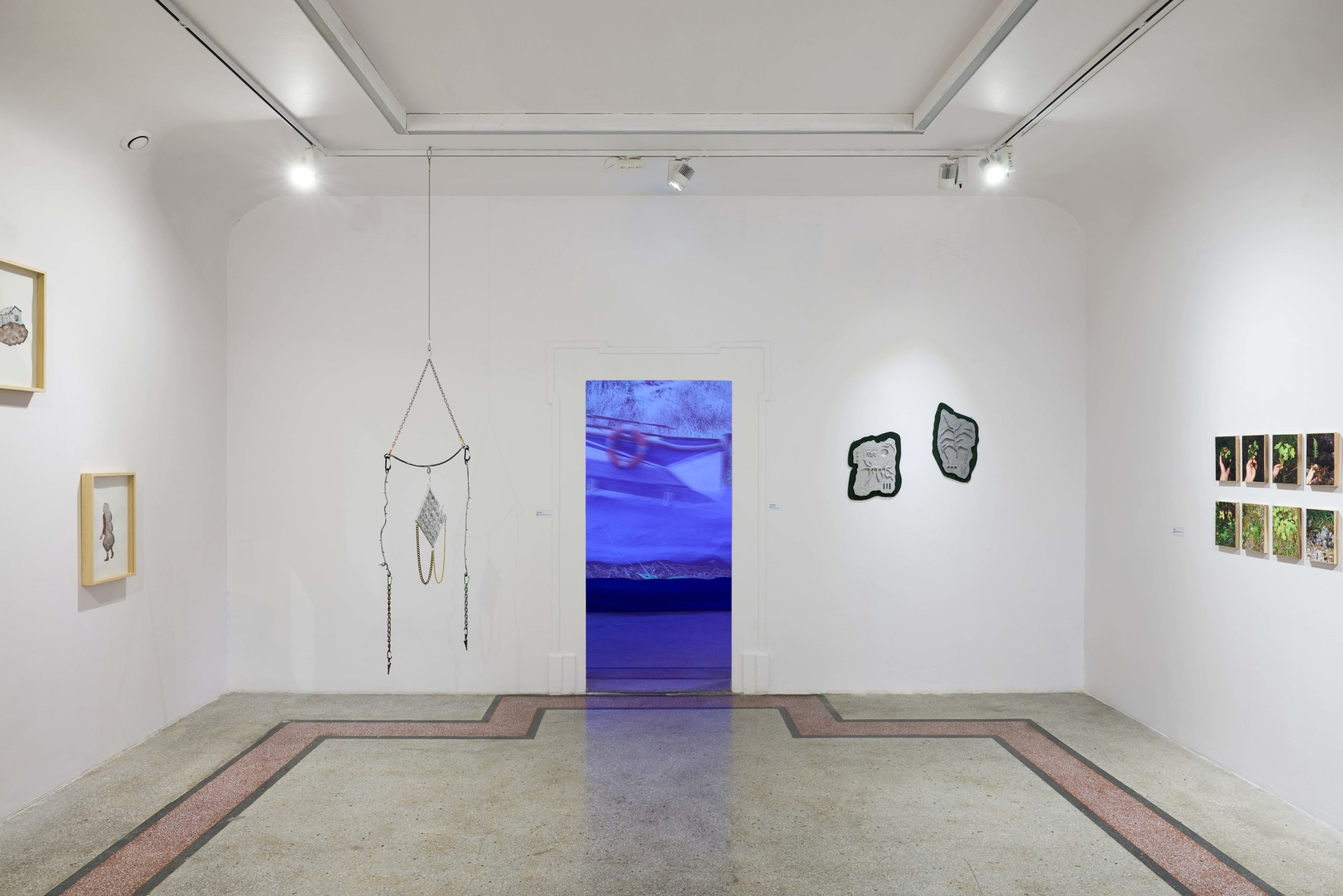
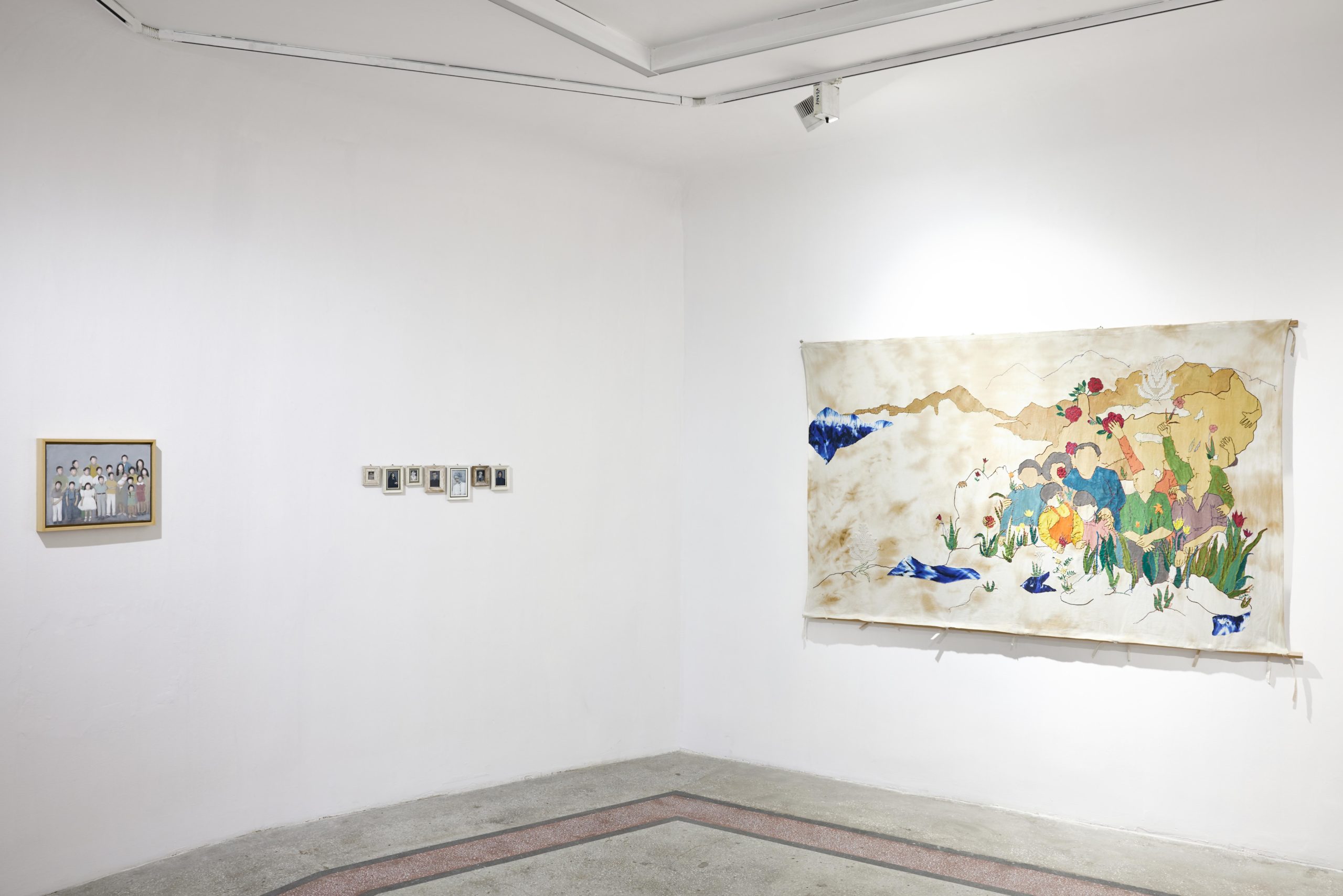
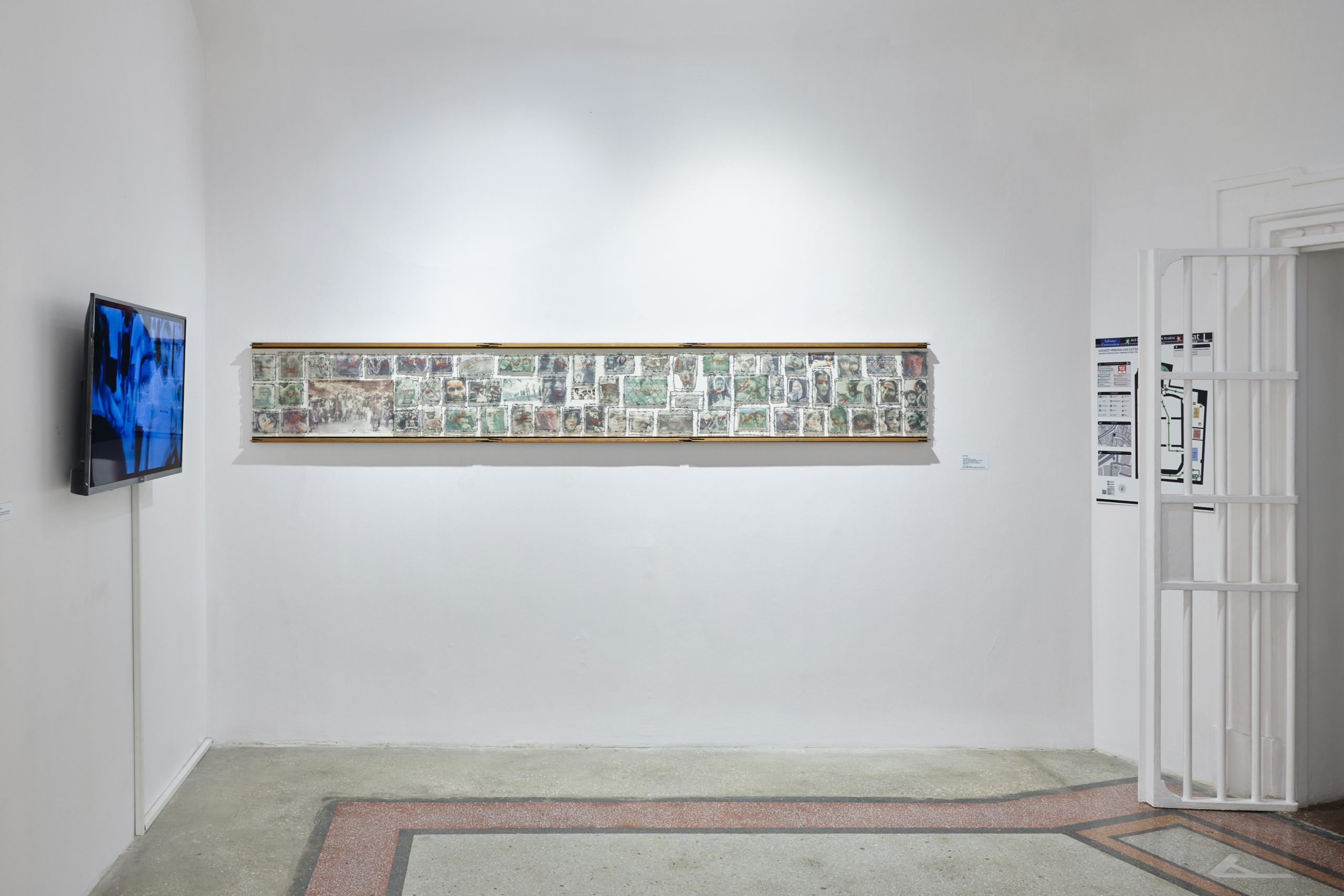
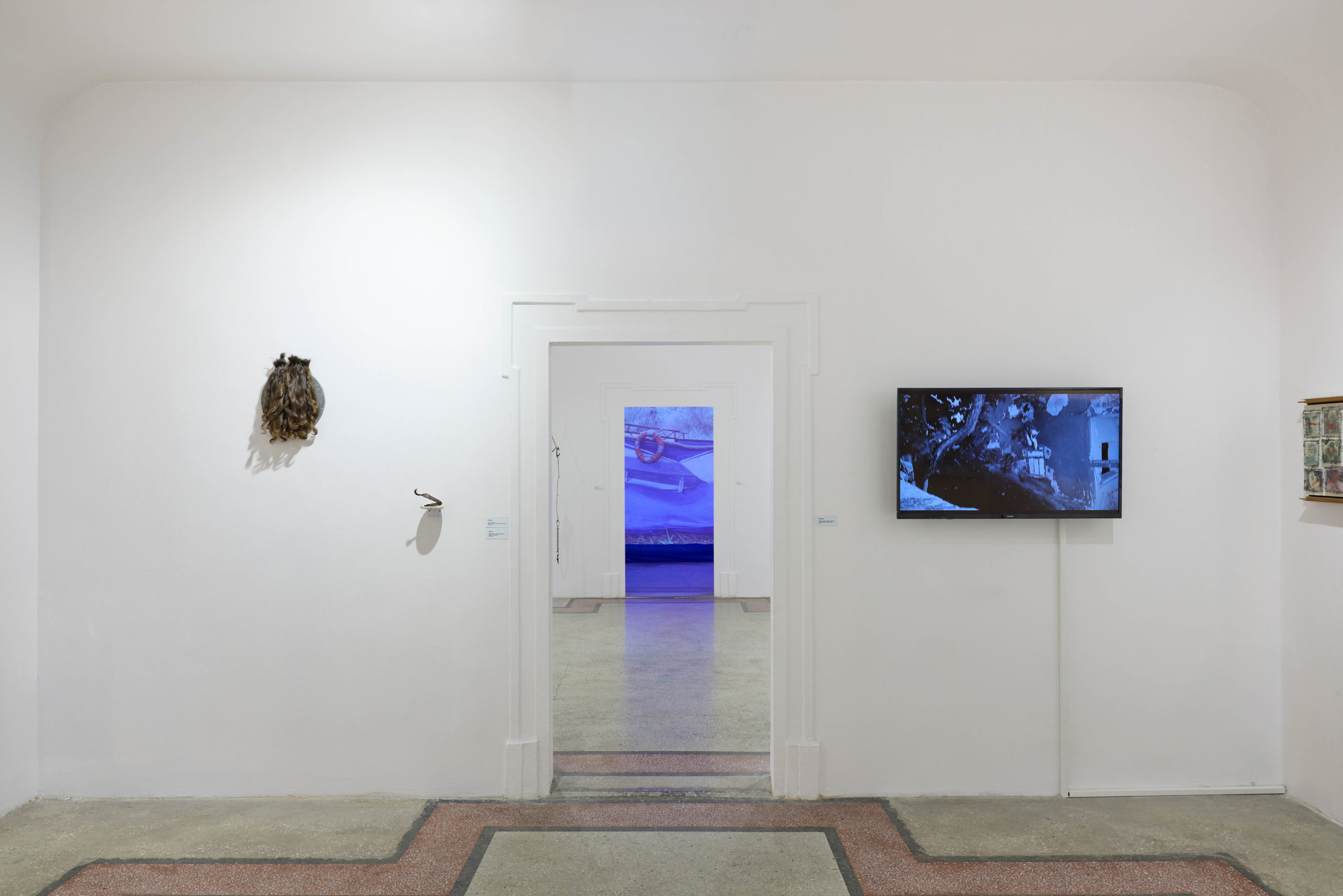
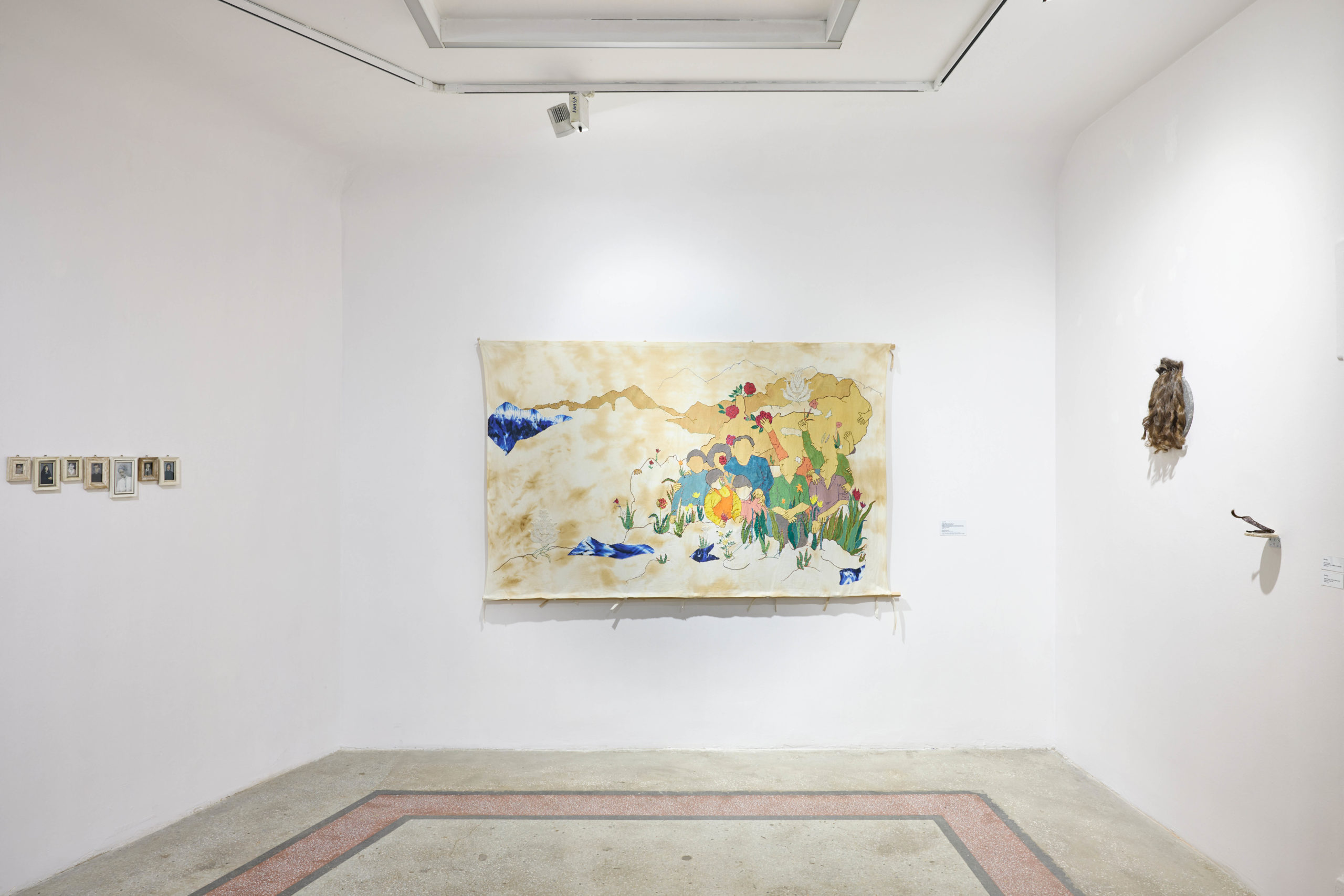
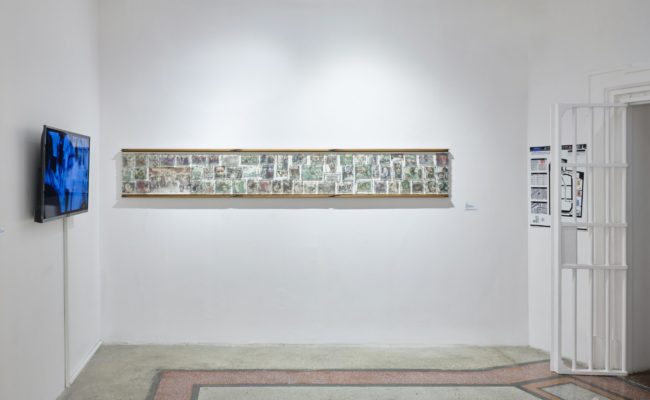
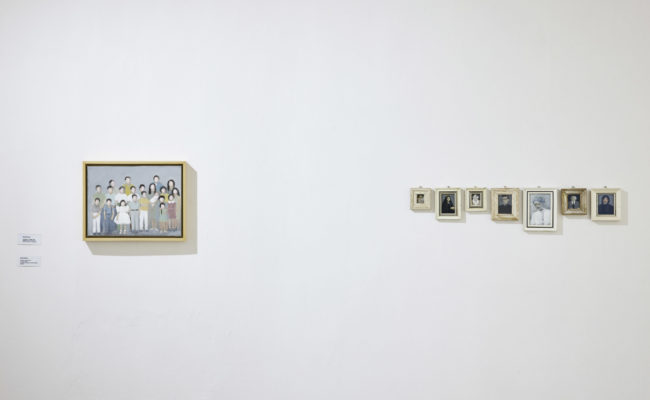
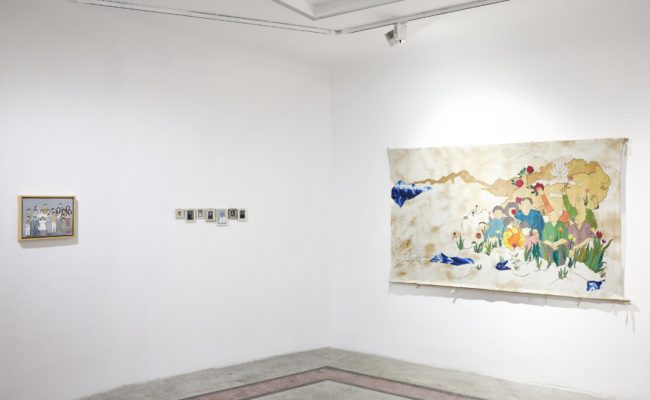
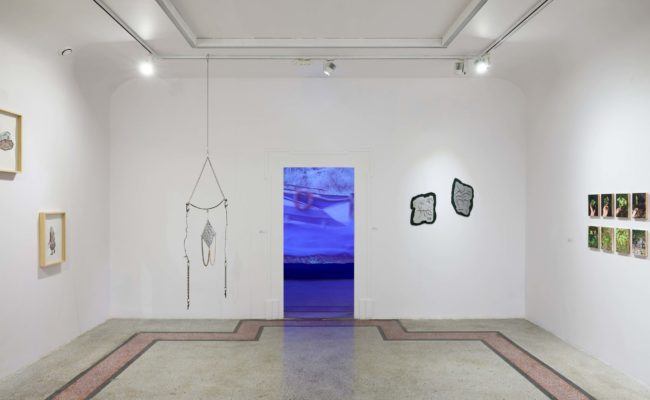
Migration is not merely a physical act of displacement or the crossing of borders. It is a destabilizing threshold where individuals are confronted once again with their identity, their sense of belonging, and their memory. Experiences of uprooting, abandonment, and rupture—whether emotional or traumatic—are among the oldest yet most urgent issues in human history, long inscribed in the memory of art itself. The World’s Slippery Ambiguity focuses on the multilayered nature of migration, the fractures it produces on both individual and collective levels, the hybrid conditions it generates, and the pervasive sense of uncertainty it brings. This ambiguity is not only a moment of crisis, but also a space where new ways of thinking, imagining, and resisting can emerge.
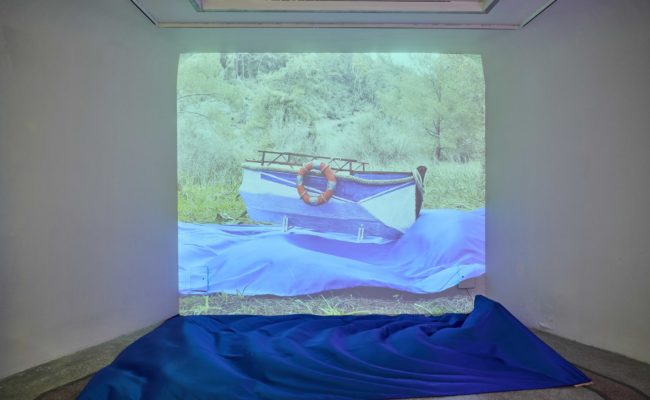
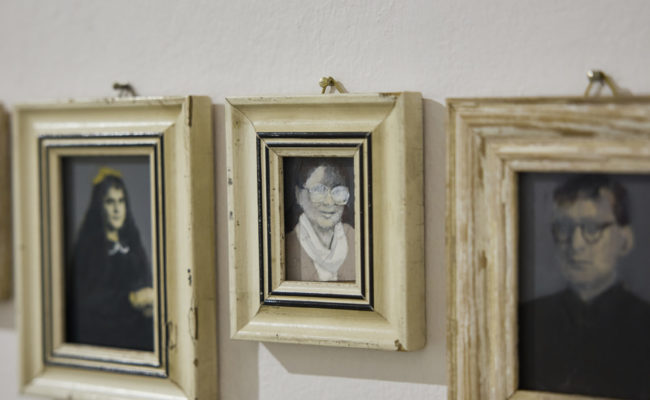
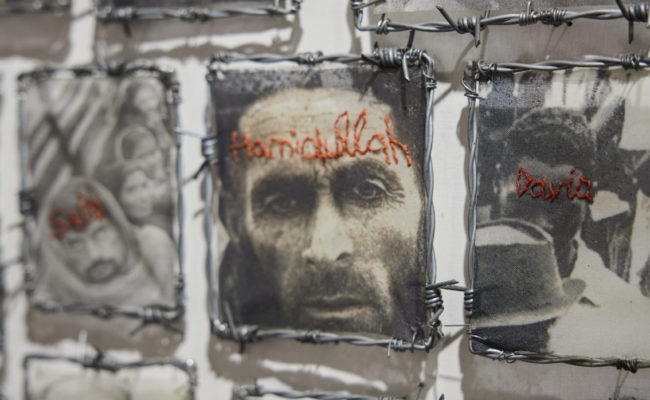
Today, migration is deeply entangled with war, conflict, forced exchange, refuge, exile, fragmented identities, border regimes, and displacement. Artists engage with these realities not only through acts of witnessing, but also through metaphors, mnemonic associations, sensory disruptions, and aesthetic interventions. At times they draw from the losses embedded in personal memory, at others they trace the residues of a shared past, developing new narrative forms along the way. The material, emotional, and psychological sediments left by migration are reshaped across fabrics, archival documents, videos, sounds, objects, and images, encountering the viewer in transformed ways.
Czech-Brazilian philosopher Vilém Flusser’s definition of exile as an individual uprooted from their origins yet compelled to transform their surroundings in order to grow new roots constitutes an important theoretical reference for the exhibition. Rather than seeking accommodation with power, the exile chooses distance. Rather than adaptation, they produce transformation. In this sense, art becomes not only a site of representation but a space where intellectual mobility and aesthetic resistance take shape. Exiles and refugees often gather around shared experiences, forming temporary communities bound by affective ties. Over time, these formations signal the emergence of alternative socialities—a “third space” that belongs neither to a fully arrived destination nor to a completely abandoned past. Continuously reconfigured, this threshold becomes a crucial terrain for creative production and critical thought.
At this point, a fundamental question arises: What kind of place can be imagined for those without a home, for those who belong nowhere? The World’s Slippery Ambiguity positions itself precisely at the edge of this question. Approaching placelessness both as an individual experience and a global condition, the exhibition foregrounds the processes of rupture, resistance, and reconstruction generated by migration. The participating artists engage with memory, borders, belonging, and bodily displacement in distinct ways, constructing a layered narrative across this ambiguous terrain.
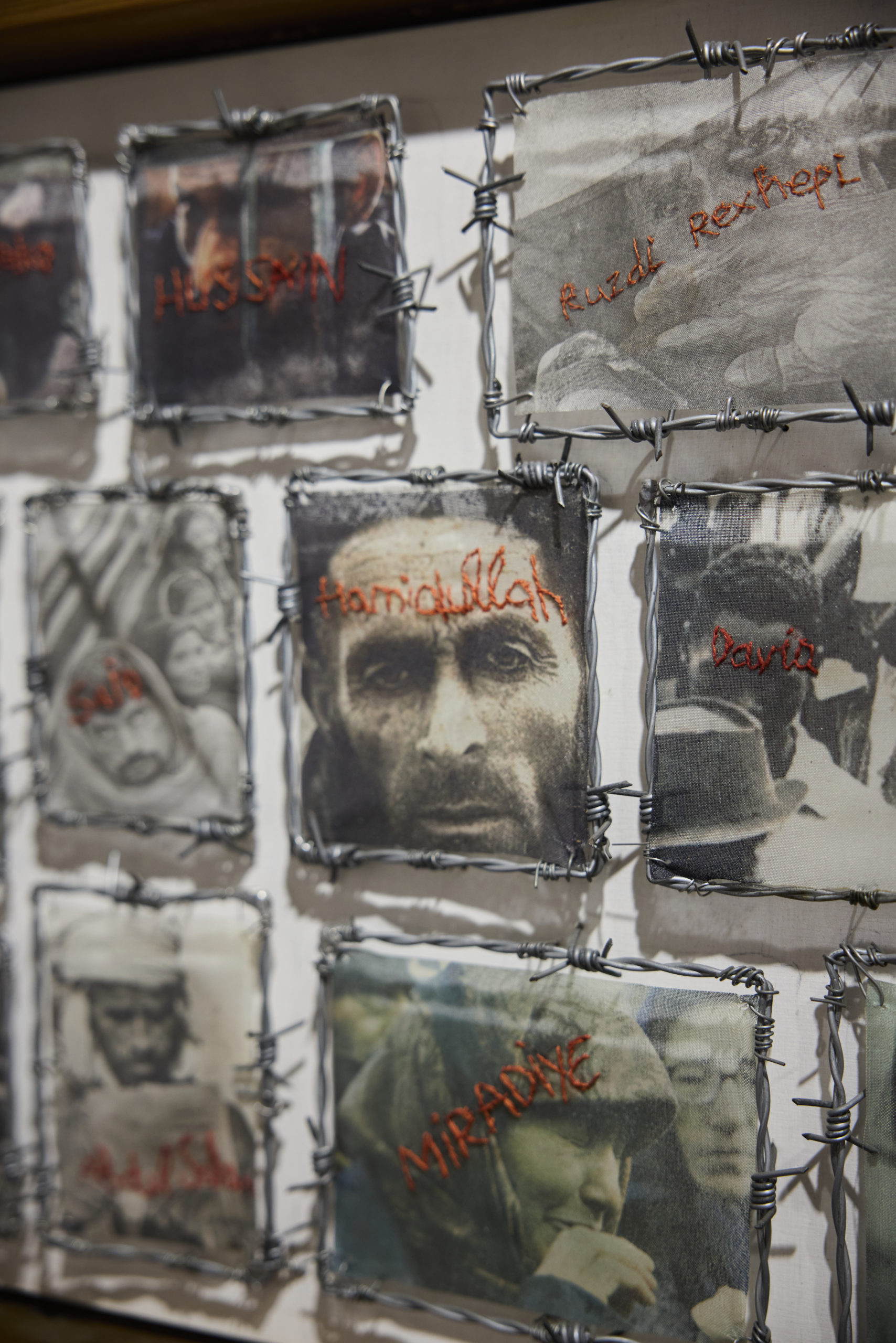
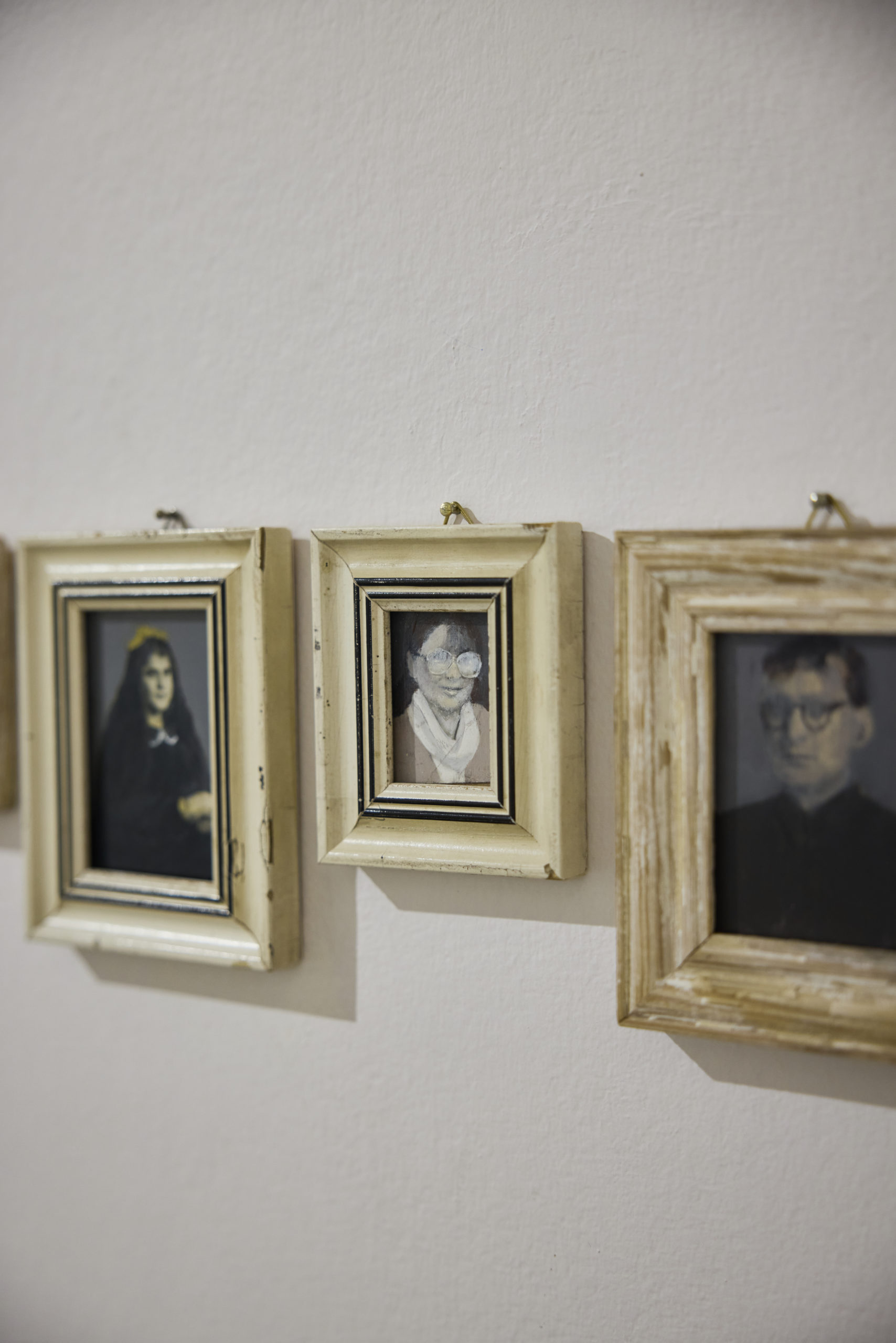
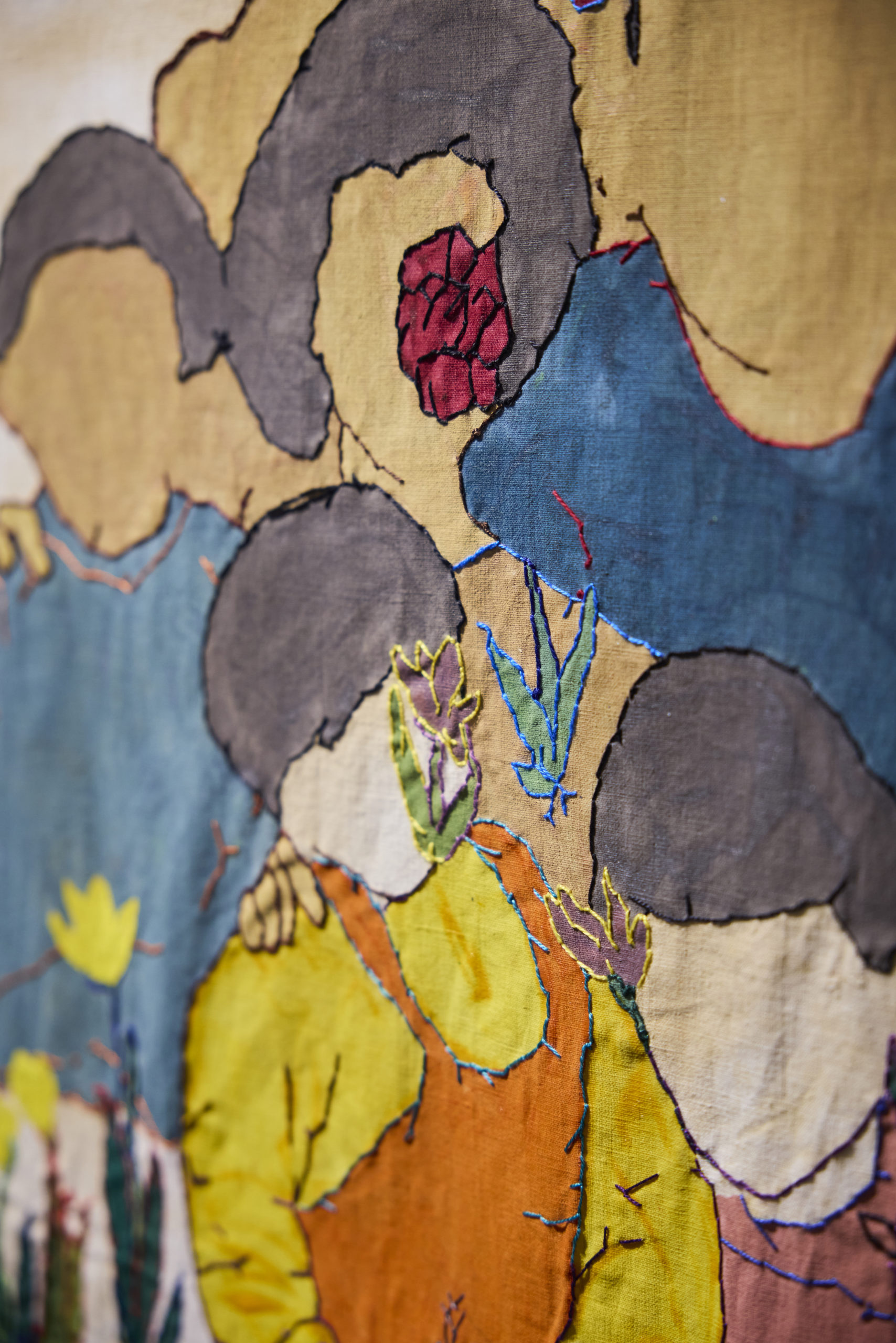
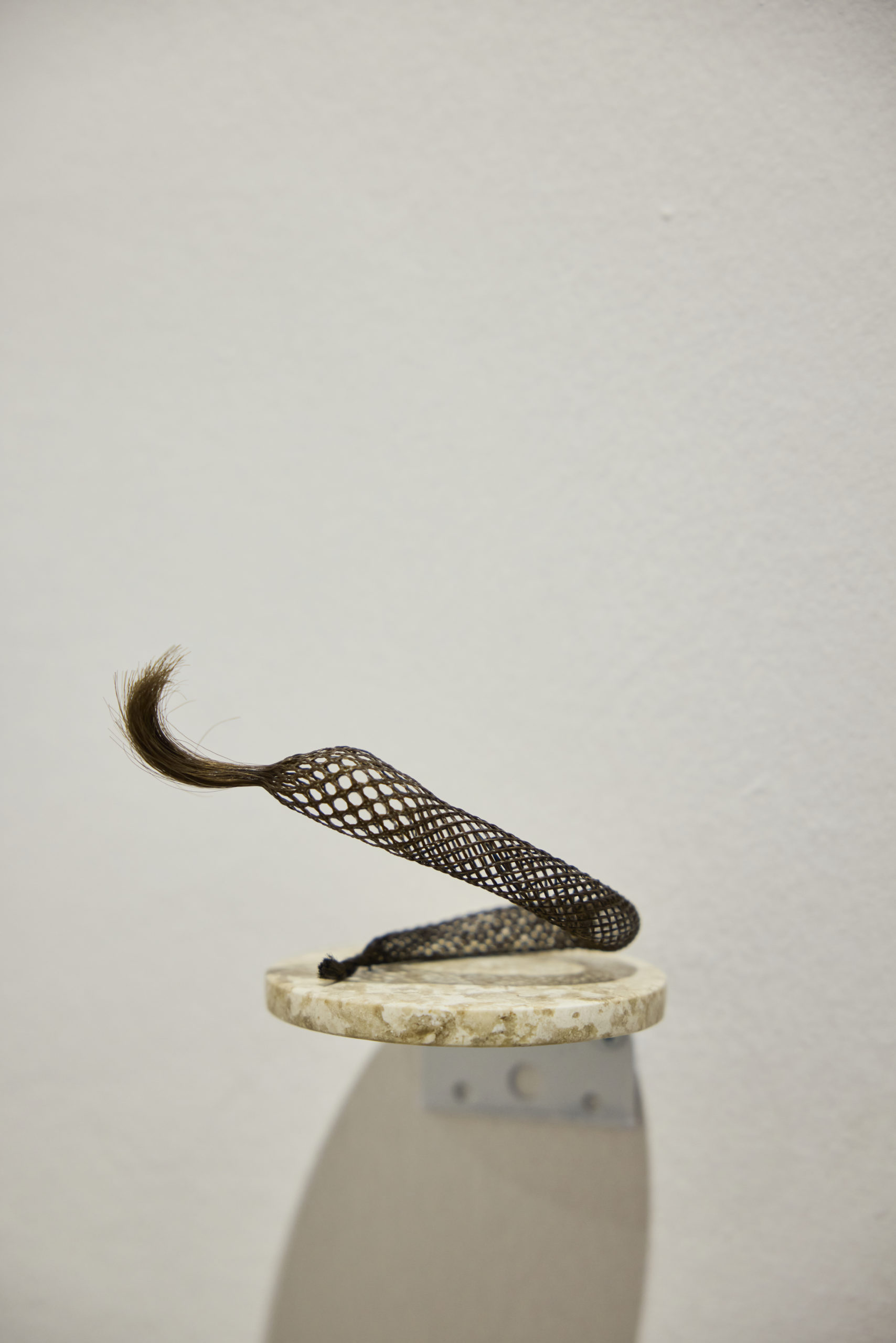
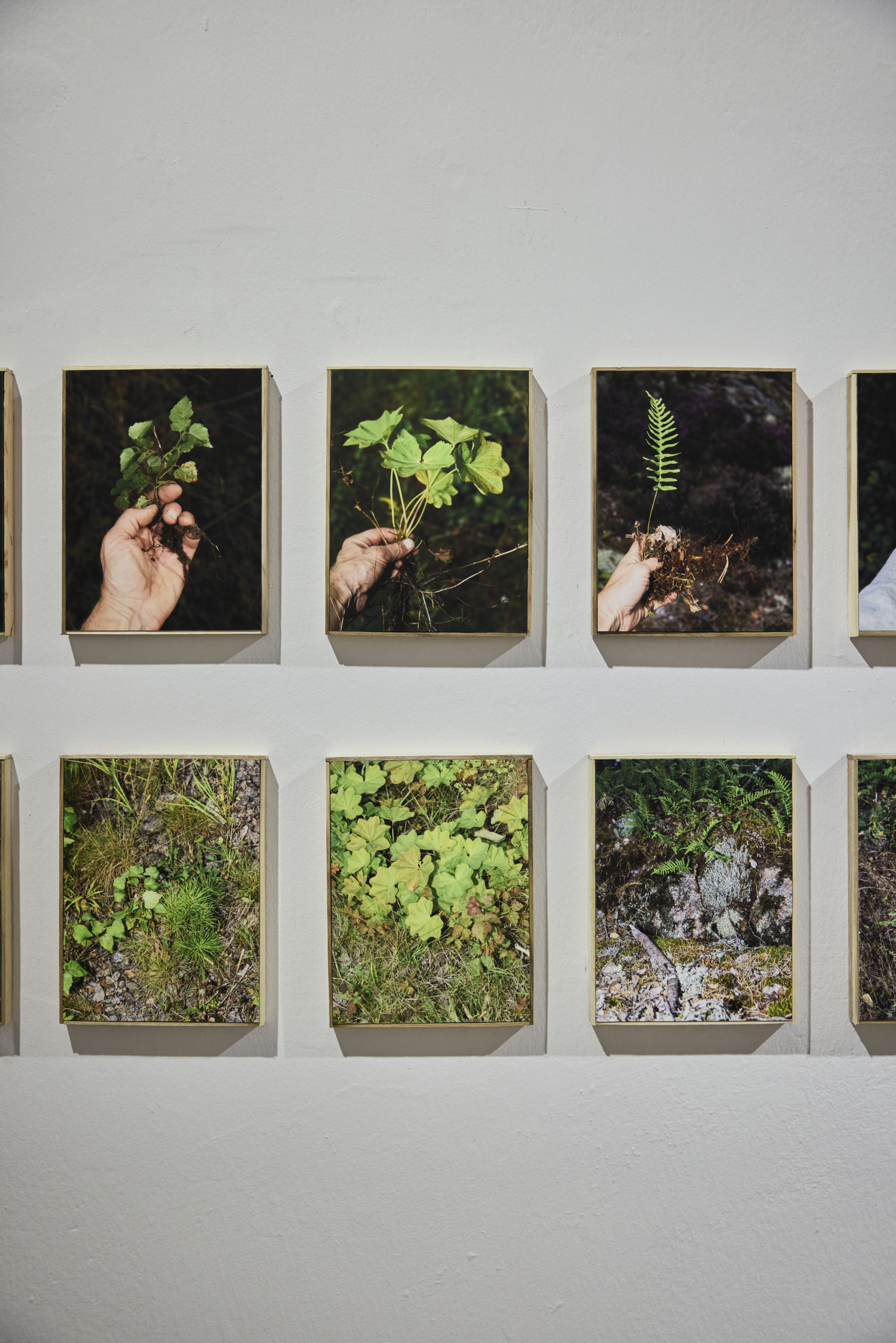
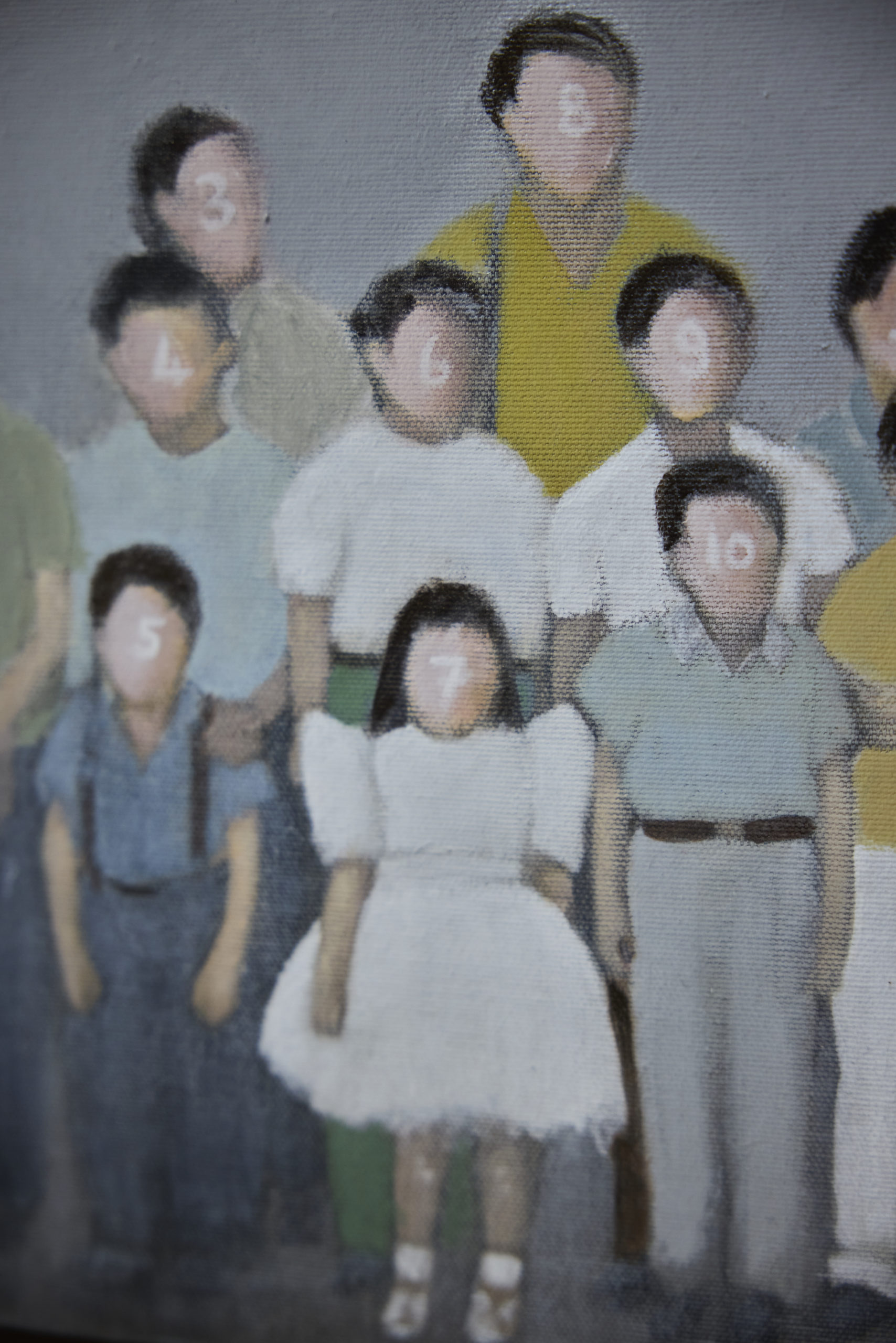
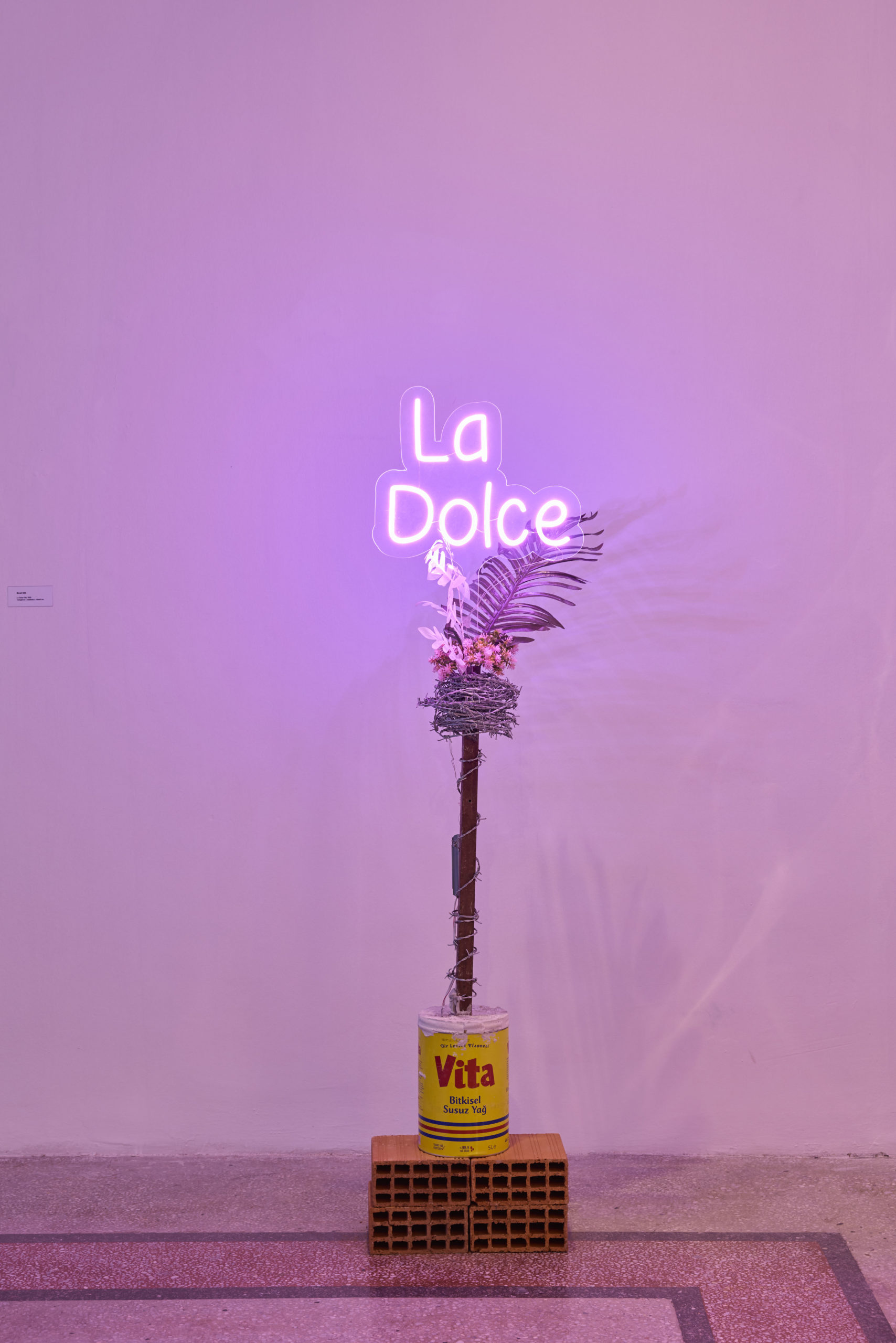
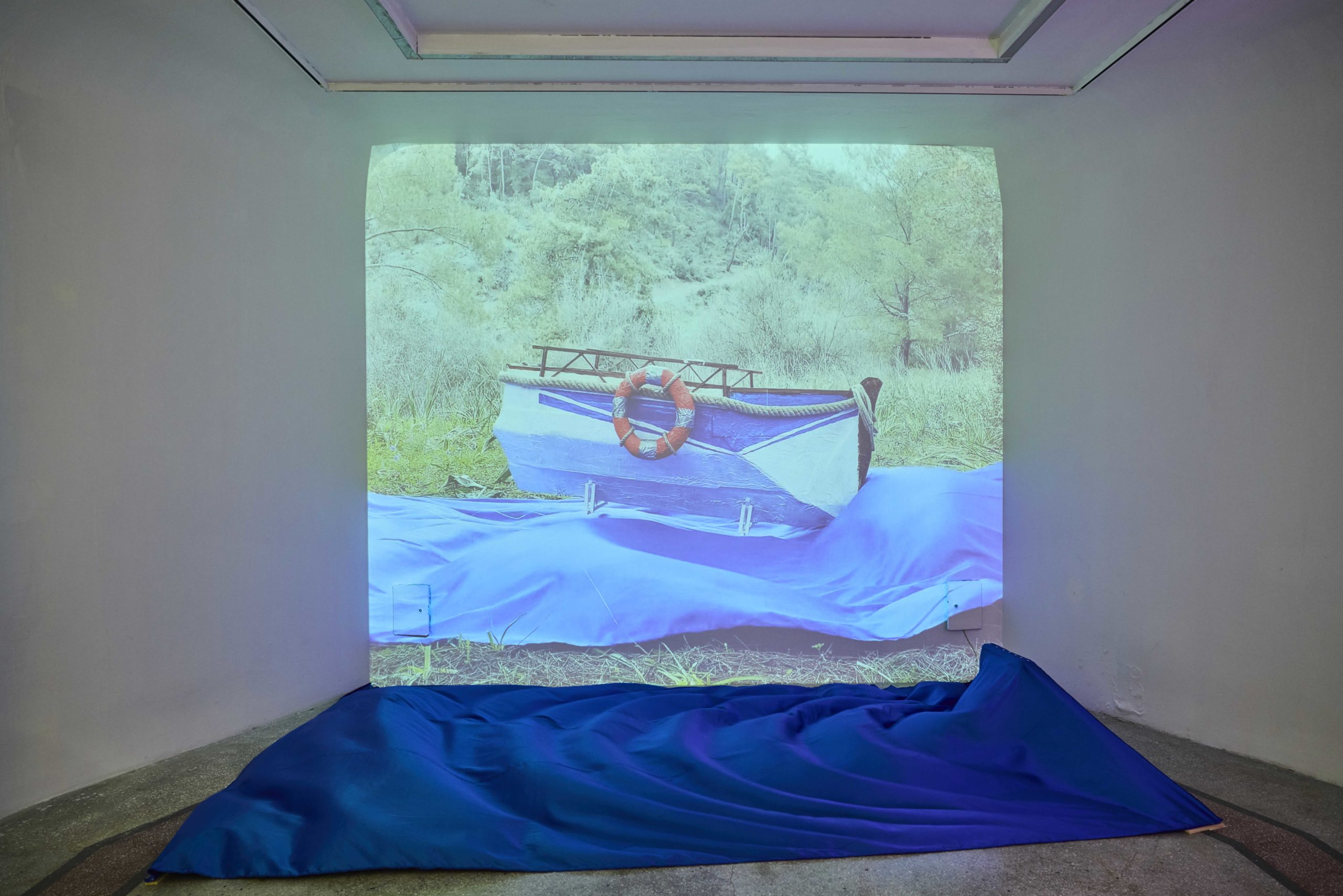
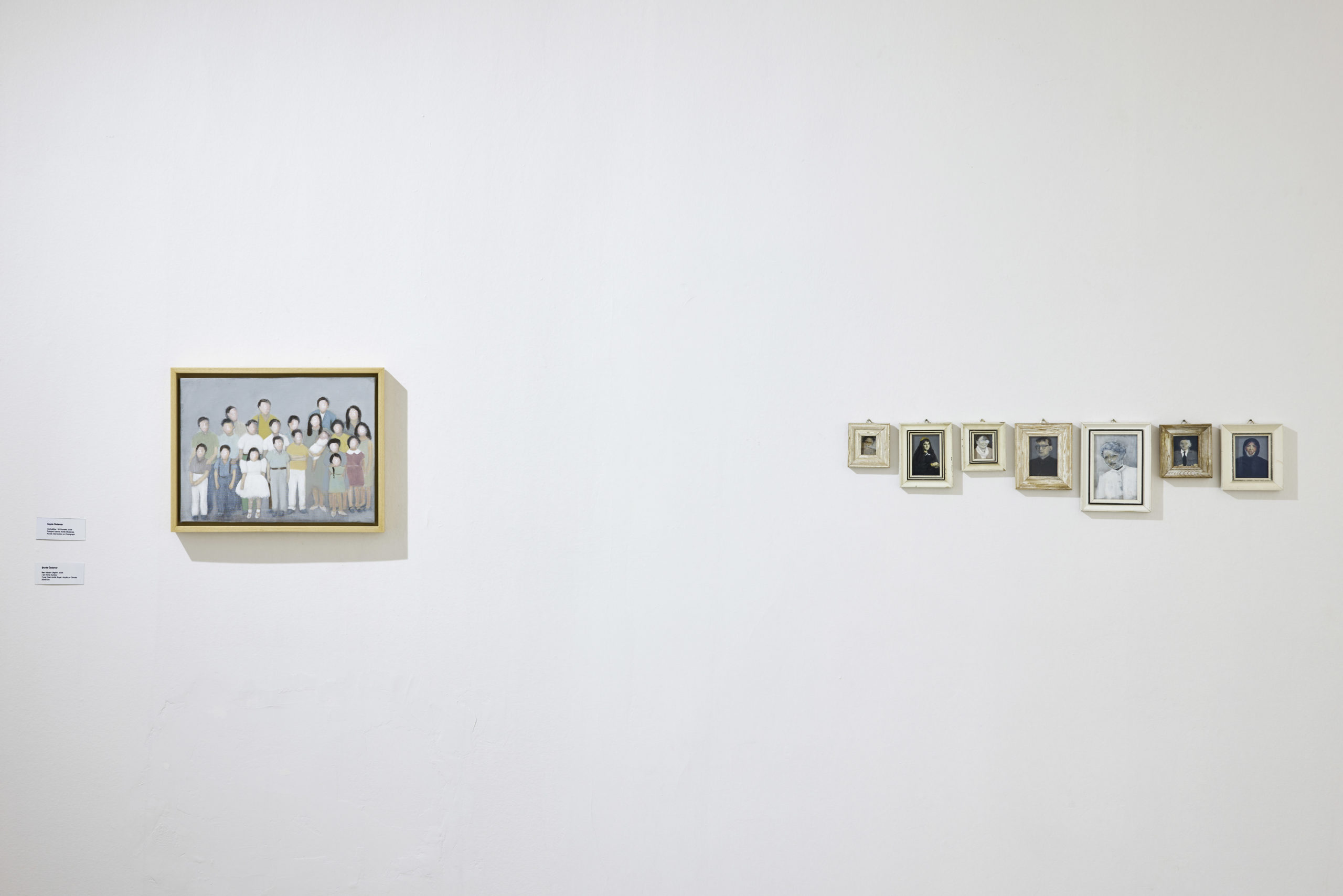
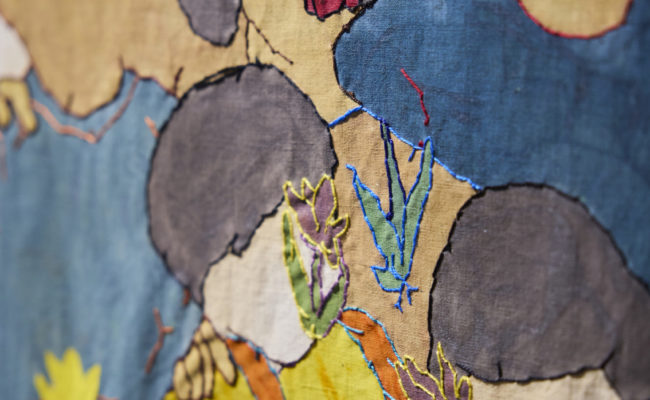
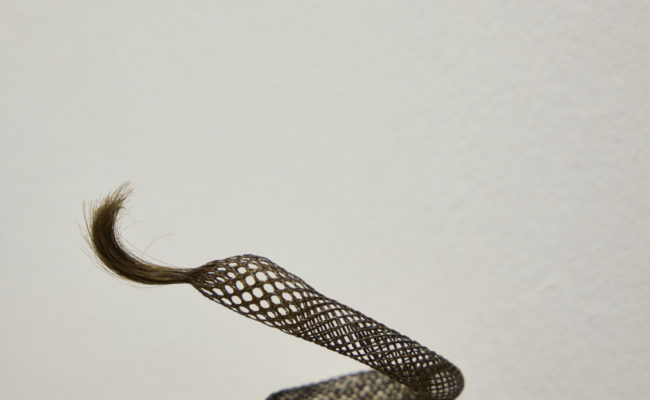
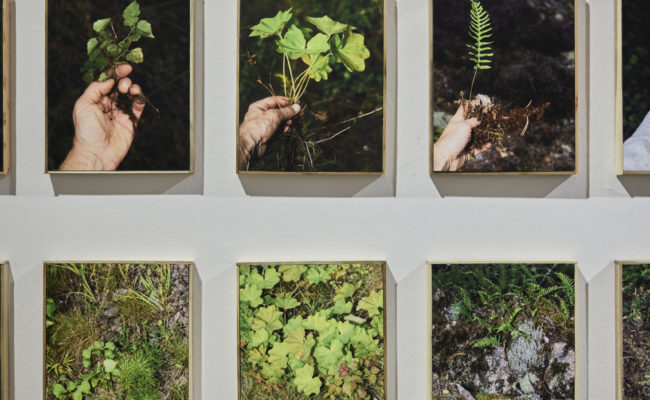
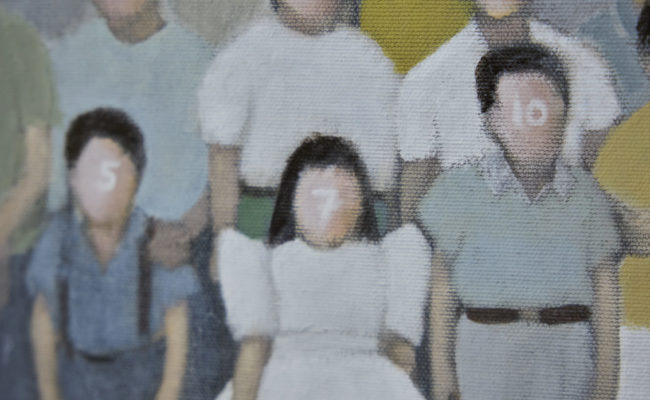
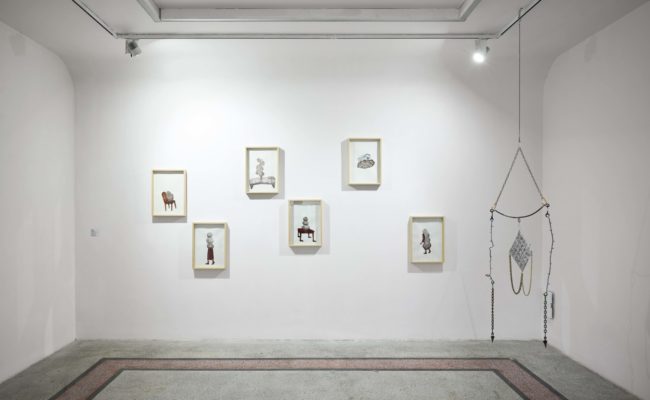
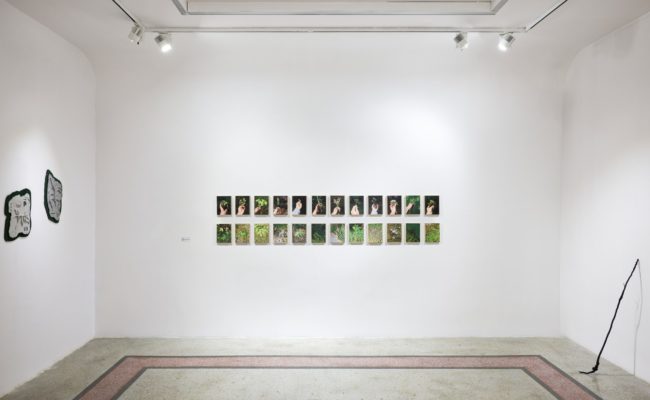
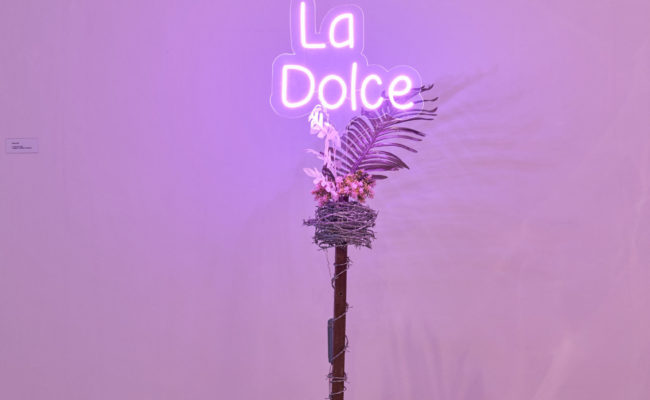
İpek Duben approaches issues of migration, identity, and gender from a historical and critical perspective, developing a powerful narrative that engages collective memory through an interdisciplinary practice. Gözde İlkin maps hybrid forms of belonging by relating bodily and social boundaries to nature across fabric surfaces. Murat Gök focuses on zones of transformation and resistance through multilayered works that question the individual’s relationship with structures of power. Şeyda Özdamar creates a poetic visual language by intervening in analogue photographs, bringing personal memory into dialogue with archival testimony. Volkan Aslan traces the fading remnants of the past through fragmented imagery, rethinking the fragile structure of memory through an intuitive and sensorial composition. Fikret Atay renders visible issues of identity, ethnicity, and spatial inequality through videos that draw on everyday rituals and cultural tensions. Kristina Lindberg addresses experiences of displacement through a sensorial visual language shaped by silence and loss. Mattias Käll examines the fragile relationship between humans and nature in the context of climate crisis, environmental concerns, and the search for identity. Rio Drop reconsiders themes of migration, identity, and visibility through digital images and virtual spaces. Tekin Karakuş interprets concepts of memory, destruction, and trace through a contemporary sculptural language, carrying the voice of his generation into today’s narratives of migration. Johanna de Verdier constructs alternative worlds through low-tech systems, wearable devices, and speculative objects, offering a techno-eco-feminist perspective on survival, ritual, knowledge transfer, and more-than-human communication.
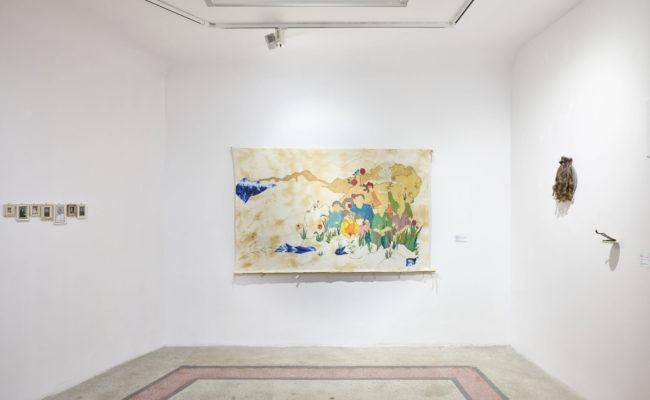
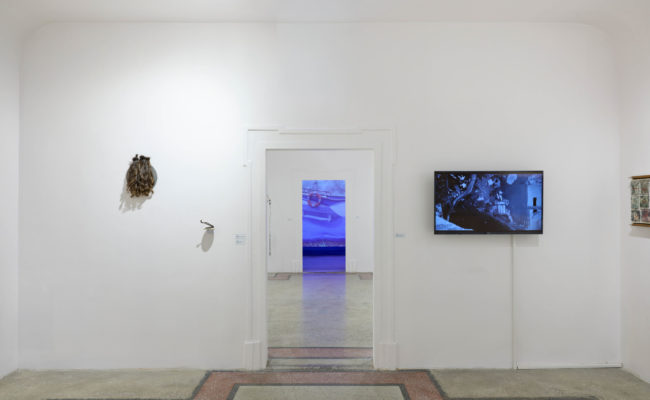
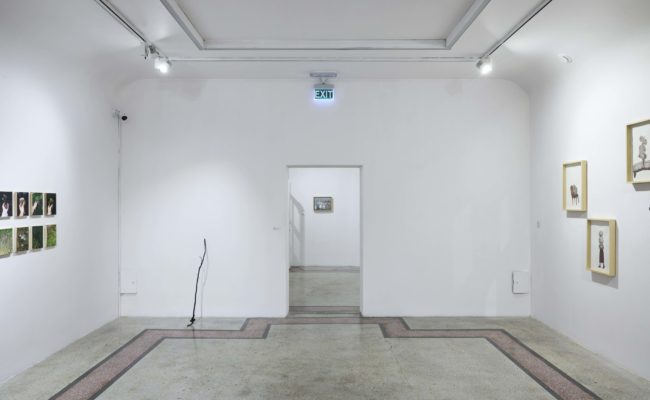
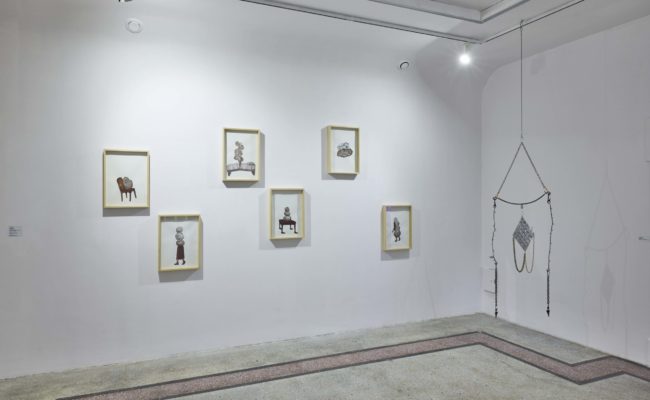
Bringing together eleven artists from different generations, geographies, and artistic practices, The World’s Slippery Ambiguity places personal narratives alongside collective memory, material documents alongside imaginative abstraction, embodied experience alongside political borders, and silence alongside resistance. This polyphonic state of in-betweenness transforms the exhibition into more than a thematic encounter with migration. It becomes a temporary yet dense space of shared existence. Perhaps this ambiguity does not lead us toward certainty, but instead opens new ways of thinking about the world’s mobility, fragility, and the possibility of solidarity.
Bringing together eleven artists from Türkiye and Sweden, the project aims to establish a platform for artistic dialogue across different geographic contexts. The exhibition will be presented in two chapters: from 6 March to 17 April 2026 at KASA Gallery in Istanbul, and from 29 May to 13 June 2026 at Ateljéhuset F2 Artist Run Gallery in Örebro. By addressing the personal and global dimensions of migration through artistic practice, The World’s Slippery Ambiguity invites both artists and audiences into a renewed process of perception and awareness.
Derya Yücel
Curator
KASA Gallery is a non-profit contemporary art exhibition space operating within Sabancı University in Istanbul. Through exhibitions, talks, and research-based projects, KASA supports current artistic production and provides a critical platform that brings together artists from diverse disciplines.
Ateljéhuset F2 is an artist-run organization for contemporary art based in Örebro, Sweden. Housed in a former shoe factory, the space today includes 13 independent artist studios and a project area where exhibitions, talks, workshops, and events are organized.